Hair Parting Guide: A Comprehensive Overview (Updated 03/09/2026)
Finding the ideal hair parting is transformative, influencing overall appearance and style; a middle or deep side parting suits round faces beautifully.
Today, deep side partings are experiencing a resurgence, offering volume and drama, while understanding face shape is crucial for optimal results.
This guide explores techniques, styling tips, and considerations for both men and women, ensuring a flattering and manageable hairstyle for everyone.
Hair parting, a seemingly simple element, profoundly impacts a hairstyle’s overall aesthetic and how it complements an individual’s features. It’s more than just dividing hair; it’s a foundational styling choice that can add volume, create symmetry, or introduce a modern edge.
Historically, hair partings have evolved with fashion trends, from the classic middle part to the dramatic deep side part popular in the mid-2000s, now experiencing a revival. The resurgence highlights the cyclical nature of style and the enduring appeal of certain techniques.
Choosing the right parting isn’t solely about preference; it’s about understanding how different partings interact with face shape, hair texture, and even cowlicks. A well-placed part can balance proportions, minimize perceived flaws, and enhance natural beauty. Conversely, an ill-suited part can flatten the hair or accentuate undesirable features.
This guide delves into the nuances of hair partings, offering a comprehensive overview of techniques, styling tips, and considerations for various hair types and face shapes, empowering you to unlock your hair’s full potential.
Why Your Part Matters
The location of your hair part significantly influences the perceived volume and shape of your hairstyle. A simple shift can dramatically alter your look, creating the illusion of thickness or adding a touch of asymmetry. It’s a powerful, yet often overlooked, styling tool.
Beyond aesthetics, your part impacts hair health. Consistently forcing hair into a parting that doesn’t align with its natural growth pattern can cause strain and breakage. Understanding your natural part, and working with it, minimizes damage and promotes healthier hair.
Furthermore, a strategic part can balance facial features. For example, a deep side part can add lift and definition to round faces, while a middle part often suits oval or longer face shapes. It’s about creating harmony and proportion.
Ultimately, your part is a key component of your personal style. It’s a subtle detail that can express your personality and elevate your overall appearance, making it a worthwhile element to consider when crafting your look.
Understanding Face Shapes & Partings
Selecting a hair part that complements your face shape is paramount for achieving a balanced and flattering look. Different face shapes benefit from different parting strategies, maximizing features and minimizing perceived imperfections. This isn’t a rigid rule, but a helpful guideline.
A round face often looks best with parts that add height and length, such as a deep side part or a slightly off-center parting. These styles break up the roundness and create a more elongated silhouette. Conversely, a square face benefits from softer partings that add width, like a deep side part.
Oval faces are incredibly versatile and can pull off most partings, from classic middle parts to dramatic side sweeps. Heart-shaped faces often look best with parts that add fullness to the lower portion of the face, balancing the wider forehead.
Ultimately, experimentation is key. Understanding your face shape provides a starting point, but finding the perfect part involves considering your hair texture, personal style, and desired look.
Determining Your Face Shape

Identifying your face shape—round, oval, square, or heart—is the first step towards finding a flattering hair parting. This foundational knowledge unlocks personalized styling potential.
Round Face Shape & Parting Recommendations
For round faces, the goal is to create the illusion of length and definition. A middle or deep side parting generally works best, as they both add vertical lines that elongate the face. Avoid center parts that emphasize roundness, and steer clear of blunt, straight-across bangs.
A deep side parting, in particular, introduces asymmetry, which is incredibly flattering. It adds volume at the roots, further enhancing the illusion of length. Consider a slightly off-center part for a modern twist, still maintaining some asymmetry. When styling, focus on adding height at the crown to draw the eye upwards.
Volume is your friend! Soft waves or curls can also help to break up the roundness and add dimension. Avoid hairstyles that are too flat or cling to the sides of the face. Experiment with different depths of side parts to find what best complements your features. Remember, the key is to create angles and avoid adding width.
Oval Face Shape & Parting Recommendations
Considered the most versatile face shape, oval faces can pull off almost any parting style! This offers incredible freedom in experimenting with different looks. Both middle and side partings are exceptionally flattering, allowing you to showcase your hair’s texture and volume.
A middle parting creates a balanced and symmetrical appearance, highlighting your facial features. It’s a classic choice that exudes sophistication. Conversely, a deep side parting adds a touch of drama and volume, creating a more dynamic look. This is particularly effective with longer hairstyles.
Don’t be afraid to try off-center partings or even a zigzag parting for a more modern and edgy vibe. The key is to play with asymmetry and texture. Oval faces can handle bangs of various lengths and styles, further expanding your styling options. Ultimately, the best parting for an oval face is the one that makes you feel confident and beautiful!
Square Face Shape & Parting Recommendations
For square face shapes, the goal is to soften strong angles and add a touch of roundness. Avoiding harsh, severe partings is key. Deep side partings are generally the most flattering, as they create asymmetry and break up the angularity of the jawline.
A side part with volume at the roots can help to balance the face and create a more harmonious appearance. Soft, flowing waves or curls further enhance this effect, adding softness and movement. Avoid very straight, blunt hairstyles, as they can accentuate the squareness of the face.
Middle partings can sometimes work, but they may emphasize the width of the forehead and jawline. If opting for a middle part, consider adding layers or texture to soften the overall look. Experiment with slightly off-center partings to find what best complements your features. The aim is to create a more balanced and feminine silhouette.
Heart Face Shape & Parting Recommendations
Individuals with heart-shaped faces aim to balance a wider forehead with a narrower chin. Side partings are exceptionally flattering, creating volume at the jawline and drawing attention downwards. A deep side part, in particular, works wonders, adding softness and minimizing the width of the forehead.
Adding volume around the chin area is crucial; layers and curls can achieve this beautifully. Avoid styles that add excessive height at the crown, as this can accentuate the forehead’s width. A slightly messy, textured look is often more forgiving than a sleek, polished one.
Middle partings can sometimes work, but they may emphasize the heart shape’s angles. If choosing a middle part, ensure there’s sufficient volume and texture around the lower face to create balance. Consider a soft, side-swept fringe to further soften the forehead and create a more harmonious appearance.

Types of Hair Partings
Diverse parting styles offer unique looks: classic middle parts, dramatic deep side parts, modern off-center options, and edgy zigzag partings all provide versatility.
Experimenting allows personalization!
Middle Parting: Classic & Versatile
The middle part is a timeless choice, celebrated for its symmetry and adaptability to various hair lengths and textures. It’s a style that consistently reappears in fashion, proving its enduring appeal and effortless chic.
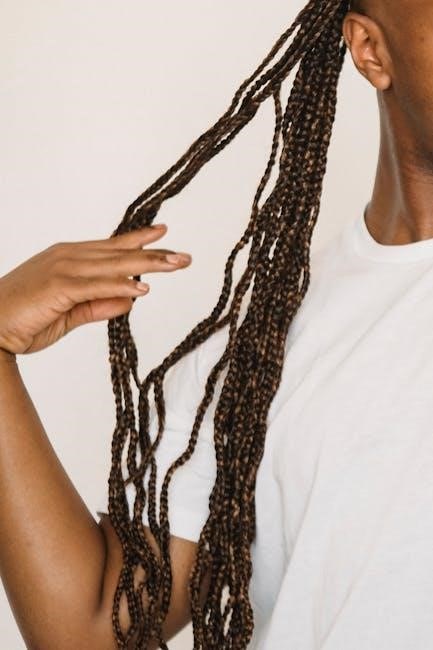
Historically popular and currently experiencing a revival, the middle part flatters many face shapes, particularly oval and longer faces, creating balance and harmony. However, it can also work beautifully on round faces, offering a softening effect when paired with the right styling techniques – think added volume at the roots to elongate the face.
Creating a precise middle part requires a fine-tooth comb and a steady hand. Begin by sectioning the hair down the center of the head, ensuring both sides are even; For a softer look, avoid a harshly defined line; a slightly diffused part can appear more natural and modern. The middle part is incredibly versatile, lending itself well to sleek, straight styles, flowing waves, or even textured updos. It’s a foundational style that allows for endless customization and personalization.
Deep Side Parting: Adding Volume & Drama
A deep side part instantly elevates a hairstyle, injecting a dose of glamour and sophistication. This technique is particularly effective for creating volume, especially at the roots, and adding a dramatic flair to any look. It’s a style that’s seen a significant resurgence in popularity, moving away from more central partings.
The key to a successful deep side part lies in its placement – typically positioned well beyond the arch of the eyebrow. This creates a significant imbalance, which is precisely the point. The asymmetry adds visual interest and allows for a beautiful sweep of hair across the forehead. This style works exceptionally well with longer hair lengths, allowing the hair to cascade dramatically.
To achieve a deep side part, use a comb to create a defined line, starting from the desired point on your forehead and extending back through the hair. Consider using a volumizing product at the roots to enhance the lift and hold. This parting is a fantastic option for those seeking a bold and stylish transformation.
Off-Center Parting: A Modern Twist
The off-center parting offers a subtle yet impactful departure from traditional styles, providing a contemporary and effortlessly chic aesthetic. Unlike a strict middle or deep side part, this technique embraces a more relaxed and individualized approach to hair placement; It’s a versatile option suitable for various hair lengths and textures, offering a softer, more approachable look.
Creating an off-center part involves identifying your natural parting and then shifting it slightly to one side. This seemingly small adjustment can dramatically alter the overall balance of your hairstyle. It’s a fantastic choice for those who want to experiment with asymmetry without committing to a dramatically deep side part.
This style is particularly beneficial for individuals with cowlicks or uneven hair growth, as it can help to disguise imperfections and create a more harmonious appearance. It’s a low-maintenance option that still delivers a polished and modern finish, perfect for everyday wear.
Zigzag Parting: Unique & Edgy
The zigzag parting is a bold statement, injecting a dose of personality and unconventional flair into any hairstyle. This technique moves beyond the conventional straight lines of traditional partings, creating a visually dynamic and eye-catching effect. It’s a fantastic choice for those seeking to express their individuality and embrace a more avant-garde aesthetic.
Achieving a zigzag part requires precision and a steady hand. Using a fine-tooth comb, carefully create a series of alternating angled lines across the scalp. The depth and frequency of the zigzags can be adjusted to suit personal preference and hair texture. This style works particularly well with shorter, layered haircuts, enhancing the texture and movement;
While undeniably edgy, a zigzag parting can also be surprisingly versatile. It adds a playful touch to otherwise classic styles and can be adapted for both casual and more formal occasions. Be prepared for attention – this parting is guaranteed to turn heads!

Parting Techniques & Styling
Mastering a clean part is key, utilizing either a comb for precision or fingers for a softer look. Addressing cowlicks and adding root volume enhances styling.
How to Create a Clean Part
Achieving a precise and defined hair part requires a bit of technique. Begin with detangled hair, as knots and tangles will obstruct a smooth line. For a sharp, clean part, a fine-toothed comb is your best friend. Hold the comb firmly and draw it straight back from the desired starting point, maintaining consistent pressure.
If you prefer a softer, more natural-looking part, dampening your hair slightly can help. Using your fingers, gently separate the strands, guiding them into the desired position. Avoid excessive force, as this can create frizz and disrupt the hair’s natural texture. Remember that the placement of your part can significantly impact your overall style, so take your time and experiment to find what suits you best.
Consider using a styling product, like a smoothing serum or hairspray, to help keep the part in place and minimize flyaways. Apply the product sparingly, focusing on the roots along the parting line. This will provide hold without weighing down your hair or creating a stiff appearance. Regularly maintaining your part will ensure it remains clean and defined, enhancing your overall look.
Using a Comb vs. Fingers
The choice between a comb and fingers for creating a part depends on the desired look and hair texture. Combs offer precision and are ideal for achieving sharp, defined parts, particularly in finer or straighter hair types. A fine-toothed comb ensures a clean line, minimizing stray hairs and creating a polished finish.
Fingers, conversely, provide a softer, more natural-looking part. This method is excellent for those with thicker or textured hair, allowing for greater control and preventing the part from appearing too harsh. Using your fingertips also distributes natural oils, promoting healthier hair. However, achieving a perfectly straight line with fingers can be challenging.
Ultimately, experimentation is key. Some stylists recommend dampening the hair slightly for better control, regardless of the method chosen. Consider the overall style you’re aiming for – a comb for sleek sophistication, fingers for relaxed, effortless chic. Don’t be afraid to combine techniques, using a comb to initially define the part and then fingers to soften the edges.
Dealing with Cowlicks
Cowlicks – those stubborn swirls in your hair – can make parting a challenge, but aren’t insurmountable. Understanding the cowlick’s direction is the first step. Attempting to part against the grain will result in constant lifting and frizz, while working with it offers a smoother result.
Often, slightly adjusting your usual parting position can circumvent the cowlick entirely. Experiment with moving your part a fraction of an inch to either side. Product choice is also crucial; a lightweight styling cream or mousse can provide hold without stiffness, allowing for natural movement. Avoid heavy gels or waxes, which can accentuate the cowlick.
For particularly persistent cowlicks, consider blow-drying the hair in the direction you want it to lie, using a round brush to smooth and train the hair. A volumizing product at the roots can also help lift and blend the cowlick into the surrounding hair, creating a more cohesive look. Patience and experimentation are key!
Adding Volume at the Root
Flat roots can diminish the impact of any parting, making hair appear lifeless. Thankfully, several techniques can boost volume. Begin by applying a volumizing mousse or spray to damp hair, focusing on the roots. This provides a foundation for lift as you style.
Blow-drying is essential. Use a round brush to lift the hair at the roots, directing the airflow upwards. Flip your head upside down during the final stages of drying for maximum volume. Alternatively, consider using root-lifting clips while drying to create lasting lift.
For a more subtle boost, gently tease the roots with a fine-tooth comb, focusing on the parting area. Smooth the top layer of hair over the teasing to conceal it. Texturizing sprays can also add grip and volume, creating a fuller appearance. Remember, avoiding heavy products prevents weighing the hair down and losing volume.
Hair Partings for Men
Men’s hairstyles benefit greatly from strategic parting, offering versatility from classic side parts to modern, textured looks. Consider hair thickness and length for optimal style.
Side partings are particularly popular, suiting various hair types and lengths, while inspiration abounds for short and thick hair.

Side Parted Mens Hairstyles: Inspiration
Side-parted hairstyles for men offer a timeless appeal, seamlessly blending sophistication with modern edge. From neatly combed classics to textured, relaxed styles, the possibilities are vast and adaptable to individual preferences and hair types. Inspiration can be drawn from decades of iconic looks, continually reinterpreted for contemporary trends.
For those with shorter hair, a clean side part creates a polished, professional aesthetic, easily maintained with minimal product. Thicker hair lends itself well to more volume and definition, allowing for dramatic side parts and sculpted styles. Conversely, men with thinner hair can utilize a side part to create the illusion of fullness, strategically combing hair to maximize coverage.
Exploring different parting depths – from subtle to deep – can dramatically alter the overall look. A deeper side part introduces more volume and a bolder statement, while a shallower part offers a more understated, refined appearance. Don’t hesitate to experiment with texture, incorporating products like pomade, wax, or clay to achieve desired hold and finish. Ultimately, the best side-parted hairstyle is one that complements your face shape, hair texture, and personal style, exuding confidence and effortless cool.
Short Hair & Side Partings
Side partings on short hair create a classically refined and versatile look for men, offering a polished aesthetic suitable for both professional and casual settings. The key to success lies in precision and product choice, enhancing texture and control without weighing the hair down.
For shorter crops, a neatly defined side part instantly elevates the style, conveying sophistication and attention to detail. Utilizing a light-hold pomade or wax allows for easy manipulation and a natural-looking finish. Consider the hair’s natural growth pattern; working with it, rather than against it, minimizes effort and ensures a more seamless part.
Even with minimal length, a side parting can add visual interest and dimension. Experiment with different parting depths to find what best complements your face shape. A slightly deeper part can add volume, while a more subtle part offers a cleaner, more understated appearance. Remember, a well-executed side part on short hair is about enhancing existing texture and creating a balanced, harmonious look.
Thick Hair & Side Partings
Thick hair lends itself exceptionally well to side partings, offering ample volume and a naturally full appearance. However, managing density is key to preventing an overwhelming or unruly style. A side part can effectively sculpt thick hair, creating shape and definition where it might otherwise lack.
When working with substantial hair volume, consider using a strong-hold product – a pomade or styling cream – to maintain the part’s integrity throughout the day. Blow-drying the hair in the desired direction can further reinforce the parting and add lift at the roots. Don’t be afraid to experiment with the depth of the part; a deeper side part can dramatically alter the overall look, creating a more dramatic and sophisticated effect.
For exceptionally thick hair, thinning shears can subtly reduce bulk without sacrificing length, making styling easier and more manageable. A well-placed side parting can transform thick hair from a challenging texture into a stylish and controlled asset, showcasing its natural beauty and volume.
Thin Hair & Side Partings
Side partings can be incredibly effective for adding the illusion of volume to thin hair, creating a fuller and more textured appearance. The key is to strategically utilize the part to lift the hair at the roots and avoid a flat, lifeless look. A deep side part, in particular, can be beneficial, as it shifts the weight of the hair and creates natural lift.
Employing volumizing products, such as mousse or root-lifting sprays, before styling is crucial. Blow-drying the hair while lifting at the roots will further enhance volume. Backcombing gently at the crown can also provide a temporary boost, but should be done sparingly to avoid damage. Consider a textured style rather than a sleek one, as texture inherently adds volume and disguises thinness.
Avoid heavy products that can weigh the hair down, and opt for lightweight formulas. A side part, combined with the right styling techniques, can transform thin hair, making it appear thicker and more vibrant.

Maintaining Your Part
Consistent care prevents parting shift and strain, protecting hair health. Product choice impacts parting, so avoid heavy formulas. Loose styles minimize tension and maintain shape effectively.
Preventing Parting Shift
Maintaining a defined part requires understanding hair’s natural tendencies and employing strategic techniques. A consistent routine is key; regularly re-establish your part, especially after washing or styling. Consider using a styling product with hold, like a light hairspray or mousse, to help keep strands in place without stiffness.
The way you sleep also plays a significant role. Opt for a silk or satin pillowcase to reduce friction and prevent the part from shifting overnight. Braiding hair loosely before bed can further secure the parting. Avoid frequently changing your part, as this can train the hair to grow in a different direction, making it harder to maintain the desired style.
If you find your part consistently moves, assess whether you’re placing undue strain on your strands to achieve it. A parting that feels forced or unnatural is more likely to shift. Embrace your hair’s natural fall and work with it, rather than against it, for a more sustainable and effortless look. Regular trims can also help remove split ends and maintain overall hair health, contributing to a neater, more defined part.
Protecting Hair from Strain
Consistent tension on the hair, particularly around the parting, can lead to breakage and even traction alopecia. Avoiding overly tight hairstyles is paramount; allow your hair to breathe and move naturally. Frequent, drastic changes to your parting can also cause strain, as the hair adjusts to a new growth pattern.
Gentle handling is crucial. When creating or adjusting your part, use a wide-tooth comb rather than a brush, minimizing pulling and snagging. Avoid aggressive towel-drying, opting instead for a soft microfiber towel to gently blot excess moisture. Be mindful of extensions or weaves, ensuring they aren’t pulling on the scalp near the parting.
Regular scalp massages can stimulate blood flow and promote healthy hair growth, strengthening the hair follicles and reducing susceptibility to damage. Prioritize nourishing your hair with regular deep conditioning treatments to improve elasticity and resilience. Listen to your hair – if you experience discomfort or notice excessive shedding around the parting, reassess your styling habits and seek professional advice.
The Impact of Hair Products on Parting
Hair products significantly influence how well your parting holds and the overall health of your scalp. Heavy products, like waxes or pomades, can weigh down the hair, causing the parting to shift and potentially leading to buildup. Conversely, lightweight mousses or sprays offer hold without stiffness.
Consider your hair type when selecting products. Fine hair benefits from volumizing products applied at the roots to maintain the parting’s definition, while thicker hair may require stronger-hold formulas. Avoid applying product directly onto the scalp, as this can clog pores and contribute to irritation. Focus application on the hair strands themselves.
Certain ingredients, like alcohol, can be drying and disrupt the scalp’s natural balance. Opt for hydrating formulas containing nourishing oils or botanical extracts. Regularly clarify your hair to remove product residue, ensuring a clean base for styling and preventing the parting from becoming greasy or undefined. Product choice is key to a healthy, lasting part.