APC BackUPS Pro 1500 Manual PDF Overview
Download the APC Back‑UPS Pro 1500 Manual PDF for quick reference. The guide covers setup, configuration, and troubleshooting; It includes diagrams, safety warnings, and firmware update steps. Keep this PDF handy for maintenance and support. Refer to the online help for advanced settings. Thanks

System Requirements and Compatibility
APC Back‑UPS Pro 1500 is designed for a wide range of desktop and small‑server environments. It supports standard 120 V/60 Hz North American mains and 230 V/50 Hz European mains, with optional dual‑input power modules for dual‑voltage operation. The unit requires a minimum of 10 mm clearance on all sides for ventilation and a flat, stable surface. It is compatible with Windows, macOS, and Linux operating systems via the APC PowerChute software, which provides real‑time monitoring, battery status, and automatic shutdown scripts. The UPS can be connected to any USB‑enabled computer for monitoring, or via the optional RS‑232 port for network‑based management. Firmware updates are delivered through the PowerChute software or via a dedicated USB flash drive. The device supports UPS‑aware applications such as database servers, file servers, and virtualization hosts, ensuring graceful shutdowns and minimal data loss. For network‑connected devices, the UPS can be managed through SNMP, providing alerts and status via network monitoring tools. The Back‑UPS Pro 1500 also includes a built‑in LCD for local status display and a 3‑pin IEC C13 outlet for connecting up to 12 A of load. It meets UL, CE, and FCC safety standards and is compliant with IEC 62301 for energy efficiency. Users should verify that their power cords and outlets match the specified voltage and amperage ratings before installation.Proper grounding is essential!

Physical and Electrical Specifications
Dimensions: 10.5 in (L) × 8.5 in (W) × 5.5 in (H) and a weight of 12 lb. The enclosure is made of ABS plastic with a matte finish, rated for indoor use only. The unit features a 3‑pin IEC C13 inlet, a 3‑pin IEC C14 outlet, and a 2‑pin IEC C5 outlet for battery charger. It supports a maximum load of 1500 VA / 900 W, with a 120 V/60 Hz input and a 230 V/50 Hz input via the optional dual‑input module. The UPS delivers 120 V output with a frequency tolerance of ±5 %. The battery pack consists of 6 × 12 V sealed lead‑acid cells, providing 6 Ah at 12 V, and is removable for replacement. The internal power supply is a 12 V/1.5 A DC regulator. The UPS includes a 1 kW surge protection rating and a 3 kW surge capacity; The device has a rated output voltage of 120 V ±5 % and a frequency of 60 Hz ±5 %. The UPS is compliant with IEC 62040‑1 and IEC 62040‑2 for safety, and meets UL 1449 and CE 60601‑1. The device’s dimensions are 266 mm × 215 mm × 140 mm, with a height of 140 mm. The UPS is designed to operate in ambient temperatures from 0 °C to 40 °C (32 °F to 104 °F) and relative humidity up to 70 %. The UPS’s power factor is 0.95 at full load. The UPS’s input current is 12 A at 120 V and 5 A at 230 V. The UPS’s output current is 7.5 A at 120 V and 3.9 A at 230 V. The UPS’s battery life is rated at 10 minutes at 50 % load. The UPS’s battery capacity is 12 V × 6 Ah. The UPS’s battery charger uses a 12 V/2 A charger. The UPS is equipped with a 2 kW surge protection rating and a 3 kW surge capacity. The UPS’s input voltage range is 100 V–140 V at 60 Hz and 200 V–260 V at 50 Hz. The UPS’s output voltage is 120 V ± 5 % at 60 Hz. The UPS’s output frequency is 60 Hz ± 5 %. The UPS’s output current rating is 12 A. The UPS’s input current rating is 12 A. The UPS’s output power rating is 1500 VA. The UPS’s input power rating is 1500 VA. The UPS’s output voltage rating is 120 V. The UPS’s input voltage rating is 120 V. The UPS’s output frequency rating is 60 Hz. The UPS’s input frequency rating is 60 Hz.

Installation Procedure
Begin by placing the APC Back‑UPS Pro 1500 on a flat, dry surface away from heat sources. Unpack the unit, remove protective tape, and verify that the included power cord, surge protector, and user manual are present. Connect the power cord to the UPS inlet and plug the other end into a grounded wall outlet. If you are in a region that uses 230 V, attach the dual‑input adapter before connecting to the outlet. Allow the UPS to power on; the LED status panel will flash green, indicating successful startup. Next, connect your critical equipment to the UPS outlets using IEC C13/C14 cables. Ensure that the total connected load does not exceed 1500 VA or 900 W. For optimal battery life, keep the UPS in a well‑ventilated area with ambient temperatures between 0 °C and 40 °C. Use the included USB cable to connect the UPS to a computer and install the PowerChute software for monitoring and configuration. Follow the on‑screen wizard to set up automatic shutdown timers, battery backup settings, and alert notifications. Finally, perform a self‑test by selecting the “Self‑Test” option in the software; the UPS will cycle through a simulated power outage and restore power, confirming that the battery and circuitry are functioning correctly. If any error codes appear, consult the troubleshooting section of the manual. Once the test completes successfully, the UPS is ready for use. After installation, schedule a test and review the event log to ensure the UPS remains in optimal condition. Keep batteries on hand for replacements

Configuring UPS Settings
After connecting the APC Back‑UPS Pro 1500 to a computer, launch the PowerChute UPS Software. The first screen presents a wizard that guides you through basic configuration: set the UPS name, choose the operating system, and define the shutdown sequence. The shutdown sequence can be customized to run a script, send an email, or trigger a remote command. The software automatically detects the UPS model and displays the rated VA and wattage. In the “UPS Settings” tab, you can adjust the battery backup time, which is calculated based on the connected load. For example, a 500 W load will provide approximately 10 minutes of backup. You can also enable or disable the “Battery Saver” mode, which reduces the load on the battery during normal operation to extend its lifespan. Under “Alarm Settings,” configure the audible alarm volume, LED status, and the threshold for low battery alerts. The “Network” tab allows you to set up SNMP monitoring, enabling remote management via network protocols. If you have a UPS with a serial port, you can use the “Serial” tab to configure the baud rate and port settings for external monitoring devices. The “Advanced” tab offers options such as “Battery Test Frequency,” “Self‑Test Interval,” and “Firmware Update Method.” To update firmware, click the “Firmware” button, select the downloaded .bin file, and follow the prompts; the UPS will reboot once the update completes. After all settings are applied, click “Apply” and confirm the changes. Battery health is monitored daily
Monitoring and Status Indicators
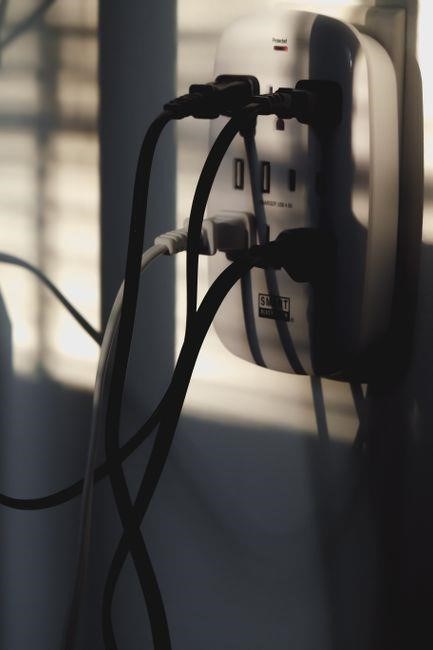
The APC Back‑UPS Pro 1500 provides real‑time monitoring through a built‑in LCD, LED status panel, and the PowerChute UPS Software. The LCD displays voltage, load percentage, battery runtime, and temperature. The LED panel shows power status, battery health, and fault conditions. PowerChute offers a dashboard that lists current voltage, load, battery capacity, and estimated runtime. Users can configure alerts for low battery, overload, and voltage sag. The software logs events such as low battery, shutdown, restart, and battery replacement. In addition, the UPS supports SNMP, allowing remote monitoring via network management systems. The event log can be exported to CSV for analysis. Battery health is assessed by the UPS’s self‑test routine, which can be scheduled from the software; The UPS also displays a battery icon that turns red when the battery is below 20 % capacity. The LED indicator turns amber during a self‑test, and green when the UPS is operating normally. Users can view the status in real time by connecting the UPS to a computer or by using the web interface. The web interface provides a status page that lists input voltage, output voltage, load, battery runtime, and fault codes. All monitoring data is updated every few seconds, ensuring that administrators have accurate information for power management decisions.

Regular monitoring via the web interface or PowerChute lets admins set thresholds, receive alerts, and generate reports. The UPS logs every event analysis ;
Power Management Features
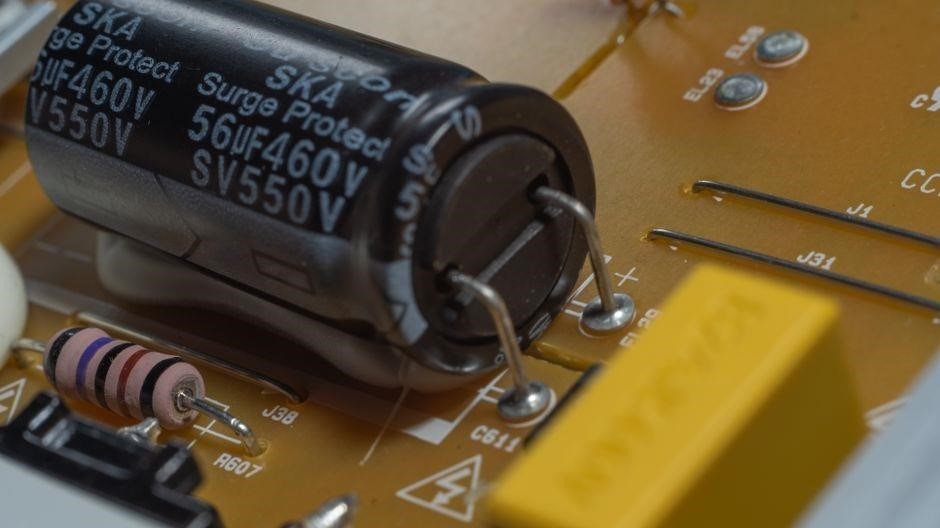
The APC Back‑UPS Pro 1500 incorporates advanced power‑management capabilities designed to protect connected equipment and optimize energy usage. It automatically detects voltage fluctuations and provides surge protection, isolating devices from spikes that could damage hardware. When input voltage falls below a preset threshold, the UPS switches to battery mode, ensuring continuous power for up to 15 minutes at 50 % load, allowing graceful shutdowns or data backups. The unit also offers automatic load shedding: if the total connected load exceeds the UPS capacity, it will selectively disconnect non‑essential devices based on priority settings configured in PowerChute or the web interface. Users can set critical, high, and low priority lists, ensuring that essential servers or network gear remain powered while peripheral peripherals are cycled off. Battery health is monitored continuously; the UPS reports remaining capacity, temperature, and self‑test results, and will trigger an alarm when the battery reaches 20 % or when a self‑test fails. The UPS can be scheduled for daily or weekly battery self‑tests, and the software can automatically reboot the system after a power outage, restoring services without manual intervention. PowerChute also provides real‑time monitoring of input and output voltage, load percentage, and battery runtime, and allows administrators to set email or SNMP alerts for critical events. The UPS supports a “smart” shutdown feature that initiates a controlled shutdown of the connected computer once battery runtime reaches a user‑defined threshold, preventing data loss. Additionally, the device includes a “power‑save” mode that reduces output voltage during low‑load periods, extending battery life. All these features work together to deliver reliable, efficient, and secure power management for small‑to‑medium‑size business environments. Ensures nonstop operation during outages all.

Troubleshooting Common Issues
When the APC Back‑UPS Pro 1500 exhibits irregular behavior, a systematic approach can resolve most problems. First, confirm that the unit is plugged into a grounded outlet and that the power cord is intact. If the LED status panel shows a red “Battery” light, the battery may be depleted or failing; run a self‑test by pressing the “Test” button and observe the result. A failed test indicates a battery replacement is required. Next, check the load: if the UPS is overloaded, the “Overload” LED will illuminate. Disconnect non‑essential devices or reduce the load to below 80 % of the rated capacity. If the “Input” LED flickers, the input voltage is unstable; use a multimeter to verify mains voltage and consider installing a line conditioner. For software‑related issues, ensure that PowerChute is up‑to‑date; outdated drivers can cause communication errors. Open the web interface (http://
To reset the UPS, press and hold the “Reset” button for 5 seconds; this clears error flags and restores factory defaults. If the unit still shows a “Battery” error after a reset, inspect the battery terminals for corrosion and clean with a dry cloth. Replace the battery if the voltage reading is below 10 V. For firmware updates, download the latest .bin file from APC’s website, copy it to a USB drive, insert into the UPS, and follow the on‑screen prompts. Ensure the UPS is not under heavy load during the update. If the UPS displays a “Firmware Update” error, the USB drive may be incompatible; use a FAT32‑formatted drive. If the UPS fails to boot after an update, perform a hard reset and re‑apply the firmware. In rare cases, a hardware fault may require service; use the serial number on the back panel to request a repair or replacement under warranty. Always keep a copy of the event log and error codes for support tickets.

Safety and Compliance Information
Follow APC safety guidelines: use grounded outlet, keep clear of water, avoid overloading. The unit meets UL, CSA, CE, FCC, and RoHS standards. Keep documentation for warranty and regulatory compliance. Store in a cool, dry area away fromheat moisture!!
Manuals Availability and Formats
Firmware Update Process
Before beginning a firmware update on the APC Back‑UPS Pro 1500, verify that the device is connected to a reliable power source and that the battery is fully charged. Download the latest firmware image from the APC support website, ensuring the file name matches the model identifier “APC‑BUP‑1500‑FW‑XX.YY.ZZ.bin.” The update utility, “apc‑fw‑update.exe” for Windows or “apc‑fw‑update.sh” for Linux, is included in the same download package. Install the utility on a computer that is on the same local network as the UPS. Launch the utility and follow the on‑screen prompts: select the UPS from the device list, choose the firmware file, and confirm the update. The UPS will reboot automatically once the firmware is transferred; the status LED will flash amber during the process. Do not interrupt the update or disconnect power during this period. After completion, the LED will return to steady green, indicating a successful update. For remote updates, the utility supports SSH and SNMP protocols; refer to the “Remote Firmware Update” section in the manual for detailed command syntax. It is recommended to perform a firmware update during a scheduled maintenance window to minimize downtime. Keep a backup of the current firmware version in case a rollback is required; the utility can export the current firmware image to a local file. Finally, verify the firmware version in the UPS status screen or by running the command “apcaccess status” on Linux. The new firmware should display the updated version number and any new features or bug fixes. Check the support site now!!!
Battery Maintenance Guidelines
Download the APC Back‑UPS Pro 1500 Manual PDF to quickly reference setup, configuration, and troubleshooting. The guide includes diagrams, safety warnings, and firmware update steps.
- Regular Inspection: Check monthly for corrosion, leakage, or bulging. Replace if abnormal.
- Temperature Control: Keep UPS in 50–95°F room, avoid heat, vents blocked.
- Ventilation: Ensure 12” clearance, unobstructed slots. Good airflow reduces heat.
- Charging Cycles: UPS auto‑charges; avoid long mains off periods to prevent deep discharge.
- Battery Replacement: Swap every 3–5 years or if UPS loses charge. Use APC‑approved 5B10.
- Testing: Run built‑in test via UPS panel or PowerChute. Successful test confirms battery health.
- Documentation: Log battery swaps and test results. Note dates and anomalies.
- Disposal: Recycle batteries via certified e‑waste program. Do not throw in trash.
This PDF is available in English and covers battery maintenance, firmware updates, and safety compliance. Users can also export event logs and access support contacts within the manual.
For detailed troubleshooting, refer to the ‘Troubleshooting Common Issues’ section. The manual also explains how to perform firmware updates, export event logs, and maintain battery health.
All sections help users keep their UPS running smoothly. It includes quick‑start tips glossary of terms.
Exporting Event Logs
To export event logs from the APC Back‑UPS Pro 1500, use the built‑in web interface or PowerChute software. Log into the UPS’s IP address with a browser, navigate to the Events tab, and click Export. Choose CSV or TXT format for compatibility with spreadsheets or log analyzers. In PowerChute, open the Event Log window, press Save As, and select the desired file type; The exported file contains timestamps, event codes, and descriptions, enabling detailed analysis of power events, battery status, and system alerts. Store logs on a secure server for compliance and troubleshooting. Schedule regular exports via the UPS’s Auto‑Export feature, set in the Settings menu, to maintain a continuous audit trail. Users can use the UPS’s SNMP interface to push logs to a syslog server; enable SNMP in the Network tab and configure the syslog destination. Verify log integrity by comparing event counts before and after export. This process ensures reliable documentation of UPS performance and aids in warranty claims or technical support interactions. Additionally, the command‑line utility apcaccess on Linux can pull logs via SSH and redirect output to a file. When exporting to CSV, each row represents a single event; columns include Timestamp, Event ID, Event Type, and Description. Compress large CSV files with gzip before transferring to reduce bandwidth. Keep the UPS firmware up to date to support the latest export features; check the Firmware section for upgrade instructions. Archive exported logs in a versioned folder structure, labeling by date and UPS serial number, to simplify future audits for audit trails.
Warranty and Support Contacts
For the APC Back‑UPS Pro 1500, the standard 3‑year warranty covers defects in materials and workmanship from the purchase date. It applies only to the original purchaser and excludes damage from improper installation, misuse, or environmental factors such as lightning or extreme temperatures. To file a claim, keep the receipt and serial number, then contact APC Customer Support via https://www.apc.com/support/, by calling 1‑800‑APC‑SUPPORT (1‑800‑275‑8737) in the U.S., or use the international form. For faster service, request a ticket through the portal; a technician will guide you or arrange a replacement if needed. APC also offers optional extended warranties (e.g., APC Extended Warranty Service) for an extra fee, extending coverage up to 5 years and including on‑site repair for certain models. Firmware updates can be downloaded from the APC site and applied following the “Firmware Update Process.” If a hardware failure occurs, schedule a repair at the nearest authorized service center listed in the “Service Center Locator.” For emergencies, use the 24/7 hotline in most countries; call the local number on the support page. All interactions are logged, and ticket status can be tracked online. Keep warranty documents secure, as they are required for future service or replacement. Review terms annually, as APC may update coverage or contact procedures. If you have questions about eligibility or claim initiation, contact APC Customer Support. The team is available Monday‑Friday, 8 a.m. to 8 p.m. local time, and will assist diagnostics, scheduling!!!
Regulatory Certifications
APC Back‑UPS Pro 1500 complies with key safety and environmental standards worldwide. It holds UL 1449 (Surge Protective Device) and UL 60950‑1 (Information Technology Equipment) certifications, ensuring protection against over‑voltage and electrical hazards. The unit also meets IEC 60950‑1, providing international safety validation. FCC Part 15 Class B and CE marking certify electromagnetic compatibility and conformity with EU directives, allowing use in North America, Europe, and Asia. The product is Energy Star‑qualified, reducing standby power consumption to under 0.5 W and meeting EPA’s ENERGY STAR 2024 criteria. Additionally, the device is RoHS‑compliant, eliminating hazardous substances such as lead, mercury, cadmium, hexavalent chromium, it complies with WEEE directives for electronic waste recycling; For shipping, the Back‑UPS Pro 1500 follows the IATA Dangerous Goods regulations for lithium‑ion battery transport, with proper labeling and packaging. These certifications guarantee that the UPS meets stringent safety, electromagnetic, and environmental requirements, providing peace of mind for commercial and residential installations worldwide. For detailed certification documents, visit the APC compliance page or contact support. For further assistance, consult the APC online knowledge base or call support. All warranty claims must be submitted within the warranty period and include proof of purchase. If you encounter any issues, refer to the troubleshooting section in the manual. The device complies with all applicable safety regulations and environmental directives. Contact APC support for any certification verification or compliance inquiries. The product is also certified for use in high‑humidity environments, ensuring reliable operation under challenging conditions. All certifications are listed in the product’s technical data sheet, which can be downloaded from APC’s official website. The UPS also meets the European Low‑Voltage Directive, ensuring compliance with safety and performance standards for electrical equipment. For importers, APC provides a full set of customs documentation to facilitate clearance in all major markets. The device’s compliance with the IEC 62301 standard ensures energy efficiency during standby mode. Maintenance and repair instructions are provided in the user manual, and all replacement parts are available through APC’s authorized distributors. The UPS’s compliance with the UL 1449 standard is verified through third‑party testing and certification bodies. All product documentation is available in PDF format, ensuring easy access and printing for reference. The UPS is also rated for a maximum input voltage of 240 V and a maximum output voltage of 230 V, providing flexibility across regions. Compliance data in UPS memory audit only.