Stouffer’s Classic Lasagna Overview
Stouffer’s Classic Lasagna offers a hearty, ready‑to‑cook meal․ For the 38‑oz family size, bake at 350°F (175°C) for 65 minutes, then rest 5 minutes․ The single‑serve version follows the same timing․ Keep the foil on the tray during microwaving to lock in moisture․ Serve hot with garlic bread․ for a family feast․
Product Sizes and Variants
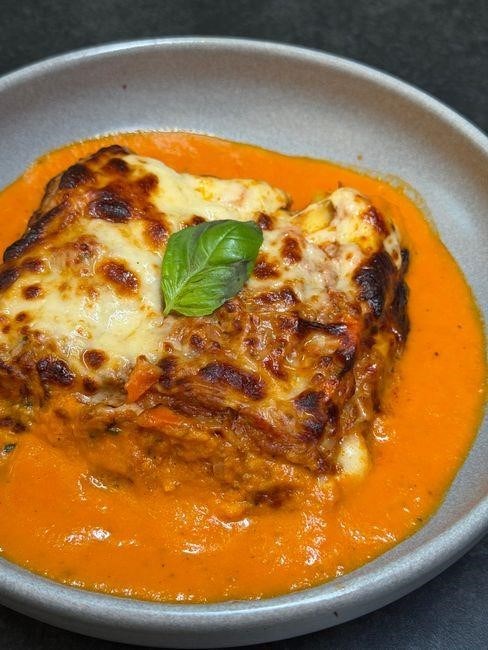
Stouffer’s Classic Lasagna comes in several sizes to fit any household․ The 38‑oz family pack delivers eight servings of meat sauce and melted cheese, for a weekend dinner or potluck․ A single‑serve 8‑oz version offers a meal in a package, for a lunch or dinner․ The larger 57‑oz “Large Family Size” provides twelve servings and a meat blend with pepperoni, Italian sausage, and spicy tomato sauce; All variants share the same classic flavor profile and are pre‑sealed with a foil layer to keep moisture during storage and transport․
Retailers across the country carry Stouffer’s Classic Lasagna in various formats․ Major grocery chains such as Lowes Foods, Tops Markets, Harps Food Store, and Hornbachs offer the 38‑oz and 57‑oz family packs in the frozen dinner aisle, while the single‑serve units are found near the microwave‑ready section․ Each package bears a clear label that lists the cooking time, serving size, and nutritional information, making it easy for shoppers to compare products․ The foil seal not only preserves moisture but also provides a convenient way to re‑seal the lasagna after opening, extending its shelf life in the freezer․ For consumers who prefer a quick meal, the single‑serve option can be microwaved directly from the foil‑wrapped tray, while families can bake the larger packs in the oven for a classic, comforting dinner․ Stouffer’s commitment to quality is evident in the use of premium ingredients, including mozzarella and parmesan, that delivers a rich, savory flavor profile․
The brand also offers a “Meat Lovers” variant, featuring pepperoni and Italian sausage for those who crave a heartier bite․ This variant follows the same cooking guidelines as the standard family sizes, ensuring consistency across all products․
Stouffer’s Classic Lasagna comes in several sizes to fit any household․ The 38‑oz family pack delivers eight servings of meat sauce and melted cheese, ideal for weekend dinners or potlucks․ A single‑serve 8‑oz version offers a convenient meal for lunch or dinner․ The larger 57‑oz “Large Family Size” provides twelve servings and a meat blend with pepperoni, Italian sausage, and spicy tomato sauce․ All variants share the same classic flavor profile and are pre‑sealed with a foil layer to keep moisture during storage and transport․
Retailers across the country carry Stouffer’s Classic Lasagna in various formats․ Major grocery chains such as Lowes Foods, Tops Markets, Harps Food Store, and Hornbachs offer the 38‑oz and 57‑oz family packs in the frozen dinner aisle, while the single‑serve units are found near the microwave‑ready section․ Each package bears a clear label that lists the cooking time, serving size, and nutritional information, making it easy for shoppers to compare products․ The foil seal not only preserves moisture but also provides a convenient way to re‑seal the lasagna after opening, extending its shelf life in the freezer․ For consumers who prefer a quick meal, the single‑serve option can be microwaved directly from the foil‑wrapped tray, while families can bake the larger packs in the oven for a classic, comforting dinner․ Stouffer’s commitment to quality is evident in the use of premium ingredients, including mozzarella and parmesan, that deliver a rich, savory flavor profile․
Preheating Oven Requirements
Before you begin cooking Stouffer’s Classic Lasagna, ensure your oven is properly preheated to the recommended temperature․ The standard baking instructions call for a 350°F (175°C) setting, which allows the layers of pasta, meat sauce, and cheese to meld together evenly without scorching the top․ If your oven has a convection setting, you can use it at 325°F (165°C) for a slightly faster bake, but be sure to remove the foil cover after the first 30 minutes to encourage browning․ For best results, place the lasagna on the middle rack to promote even heat distribution․ Use a baking sheet or a shallow pan to catch any excess sauce, which also helps maintain a clean oven․ If you’re using a conventional oven, preheat for at least 10 minutes before placing the tray inside․ This step ensures that the oven reaches a stable temperature, preventing the lasagna from steaming rather than baking․ Once the oven reaches the target temperature, slide the foil‑wrapped tray onto the rack, then follow the cooking time listed on the package․ After the lasagna has finished baking, allow it to rest for 5 minutes before serving, which helps the cheese set and makes slicing easier․ If you prefer a crispier top, remove the foil during the last 10 minutes of baking to allow the cheese to brown slightly․ For those who like a bit of extra flavor, sprinkle a tablespoon of grated Parmesan cheese over the top before the final 5 minutes of baking; this adds a savory crunch that pairs wonderfully with the creamy layers․ Use a thermometer; the internal temp should reach 165°F․ After resting, cut slices with sharp knife and serve immediately the garlic bread for complete meal․
Oven Cooking Instructions
For the 38‑oz family size, bake at 350°F (175°C) for 65 minutes․ After the timer, remove the lasagna from the oven, keep the foil on the tray, and let it rest 5 minutes before slicing․ The single‑serve version follows the same 65‑minute bake time․ For the larger 57‑oz family size, bake for 80 minutes at the same temperature․ Do not vent the foil during cooking; this traps steam and keeps the layers moist․ After baking, allow the lasagna to stand 5 minutes to set the cheese and sauce․ Slice with a sharp knife and serve hot, optionally topping with extra grated mozzarella or a sprinkle of fresh basil for added flavor․ Always check that the internal temperature reaches 165°F (74°C) for safe consumption․ If you prefer a crispier top, remove the foil during the last 10 minutes of baking to allow the cheese to brown slightly․ Serve immediately with a side of garlic bread or a fresh green salad for a complete meal․
Use a food thermometer to verify the internal temperature reaches 165°F (74°C)․ Insert the probe into the center of the lasagna, avoiding the edges․ If the temperature is below the target, continue baking in 5‑minute increments until safe․ Removing the foil during the last 10 minutes encourages a golden crust, but keep it on for the majority of the bake to lock in moisture․ If you prefer a crispier top, place the lasagna on a preheated baking sheet and bake for an additional 5 minutes after the foil is removed․
When serving, let the lasagna rest to set the layers, then slice with knife․ Pair with fresh salad or garlic knots for a satisfying meal․
Microwave Cooking Instructions
To heat the 38‑oz family size in a microwave, keep the foil cover on the tray and do not vent the lid․ Place the tray on a microwave‑safe plate and cook on high power for 9 minutes․ After the first cycle, reduce the power to 50% and continue cooking for 16 minutes and 10 seconds․ Once the timer ends, let the lasagna rest for 5 minutes before removing the foil․ This resting period allows the heat to distribute evenly and the sauce to thicken․ For the single‑serve version, follow the same sequence of high‑power and reduced‑power cooking times․ If your microwave has a convection feature, you may use it to achieve a slightly crisp top, but the standard microwave method will keep the layers moist․ Always check that the internal temperature reaches at least 165°F (74°C) before serving․ If the center is still cold, return the lasagna to the microwave in 1‑minute increments until the desired temperature is reached․ Serve immediately with a side of garlic bread or a fresh green salad for a complete meal․ After the 5‑minute rest, slice the lasagna with a sharp knife; the layers should hold together․ If you prefer a golden top, place the lasagna under a broiler for 1‑2 minutes after microwaving, watching closely to avoid burning․ Remember to use a microwave‑safe container and keep the lid slightly ajar if your model requires venting for steam release․
Before microwaving, ensure the tray is free of any metal parts and that the foil is sealed tightly to prevent steam leaks․ If you notice steam buildup, pause the microwave and vent the lid briefly․ After microwaving, let the lasagna sit on a heat‑resistant surface for 5 minutes to allow the cheese to set․ If you prefer a chewier texture, microwave on high for 10 minutes, then reduce to 50% for 15 minutes․ Always use a food thermometer to confirm the internal temperature․ Dispose of the foil responsibly after use․ The lasagna can be reheated in the same manner if leftovers remain․ For best results, consume within 24 hours of cooking․
When serving, use a large cutting board to avoid splattering hot sauce․ Pair with a simple arugula salad dressed with lemon vinaigrette․ If you have a microwave with a turntable, rotate the tray halfway through the high‑power cycle to promote even heating․ For a crispier crust, after microwaving, place the lasagna under a preheated broiler for 2 minutes, watching closely․ If you’re using a single‑serve tray, the cooking times remain identical; the only difference is the tray size․ Always keep the lasagna covered during the rest period to maintain moisture․ If you need to reheat leftovers, use the same microwave method, adding 2 minutes to the high‑power cycle to compensate for the reduced volume․ Remember to let the lasagna rest for at least 5 minutes after microwaving before cutting to ensure the cheese sets and the sauce thickens properly․
Enjoy your quick, comforting meal with minimal cleanup and maximum flavor․ The convenience of microwave cooking makes it ideal for busy evenings․
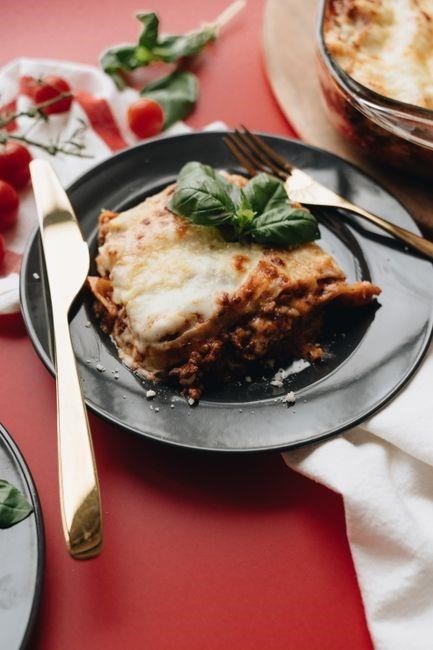
Resting Time After Cooking
After the lasagna emerges from the oven or microwave, it is vital to let it rest for five minutes․ This pause allows the internal temperature to even out, ensuring the cheese melts uniformly and the sauce thickens into a layer․ By keeping the foil or a clean kitchen towel in place, you trap steam that continues to circulate, preventing the bottom from becoming soggy and preserving moisture․
During the rest period, the residual heat continues to work its magic: the pasta sheets relax, the flavors meld, and the overall dish achieves a harmonious balance of moisture and firmness․ If you prefer a crisp top, lift the cover for the final minute of resting to allow browning without drying out the interior․ For single‑serve trays, the same five‑minute rest applies, but the smaller surface area means heat dissipates more quickly, so maintaining the cover is even more critical․
When reheating leftovers, a three‑minute rest after microwaving lets the heat redistribute evenly, preventing a watery sauce․ While the lasagna rests, slice it with a sharp knife on a cutting board; the resting time sets the cheese, making cuts that keep sauce․ Serving after the rest guarantees optimal flavor and texture․
If you must delay serving, keep the lasagna covered and place it in a warm oven (about 200°F) for a few minutes to maintain temperature․ This simple, often overlooked step transforms a perfectly cooked lasagna into a memorable meal, ensuring every bite is as delightful as the first․ Remember, the five‑minute rest is the key to a moist, flavorful, and safe lasagna experience for every guest․
Serving Suggestions
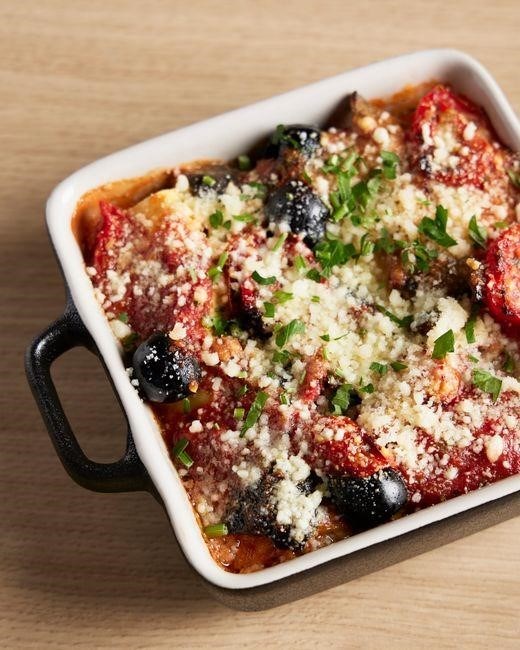
Stouffer’s Classic Lasagna pairs beautifully with a variety of accompaniments that elevate its rich, meaty flavor․ A simple green salad tossed in a light vinaigrette balances the dish’s heartiness, while a drizzle of olive oil and a sprinkle of fresh parsley add a touch of brightness․ For a comforting side, serve the lasagna with warm, crusty bread—ideally a baguette or focaccia—so diners can soak up the savory sauce․ A side of garlic bread, brushed with butter and minced garlic, is a classic choice that complements the cheese and tomato base․
Yum!
A quick side is creamy tomato soup; its acidity balances the lasagna’s richness․ A cucumber‑feta salad offers a cool contrast․ Pair with a glass of red wine or sparkling water for a balanced meal․
Add a final flourish by sprinkling grated Parmesan or a light drizzle of truffle oil over the hot lasagna․ The nutty aroma of Parmesan pairs with the tomato sauce, while truffle oil adds a subtle depth․ Finish with fresh basil leaves or a squeeze of lemon juice to brighten the flavors․ Serve immediately, and enjoy the comforting, savory layers that make Stouffer’s Classic Lasagna a favorite for family dinners and casual gatherings alike․
Storage and Leftovers
After cooking, cool the lasagna to room temperature before covering it tightly with foil or a lid․ Refrigerate within two hours to prevent bacterial growth; it will stay safe and flavorful for up to three days at or below 40°F (4°C)․ For longer storage, transfer the cooled lasagna into a freezer‑safe container or zip‑lock bag, expelling air to reduce freezer burn, label with the date, and freeze for up to two months․ When ready to eat, thaw overnight in the refrigerator or use the microwave’s defrost setting․ Reheat in the oven at 350°F (175°C) until the internal temperature reaches 165°F (74°C); this takes about 15–20 minutes for a 38‑oz family size․ Alternatively, microwave on high for 5–7 minutes, stirring halfway to promote even heating․ Always check that the center is piping hot before serving․ Leftover portions can be divided into individual servings and stored in the freezer for future meals; reheat as described․ If the lasagna shows any off odor, discoloration, or mold, discard it immediately․ Proper storage, labeling, and reheating are key to maintaining safety and taste․ Keep the foil on the tray during microwaving to lock in moisture․ Let the lasagna rest for a minute or two after reheating to allow juices to redistribute, ensuring each bite is moist and flavorful․ Store unused portions in a sealed container in the refrigerator for up to 48 hours if you plan to use them within that timeframe, or freeze them for longer storage․ By following these guidelines, you can enjoy Stouffer’s Classic Lasagna safely and deliciously, even days after its initial preparation․ Enjoy responsibly․
Safety Guidelines
Handle frozen lasagna with clean hands․ Preheat oven to 350°F (175°C)․ Keep foil on tray during microwaving․ Use a food thermometer; internal temp must reach 165°F (74°C)․ Let rest 5 minutes before cutting․ Store leftovers in sealed container, refrigerate within 2 hrs․ Discard if mold appears․Always safe cooking now․
Family Size (38 oz) Cooking Time
For the 38‑oz family‑size Stouffer’s Classic Lasagna, preheat your oven to 350°F (175°C)․ Place the frozen lasagna, still in its tray, on a baking sheet and cover tightly with foil to lock in moisture․ Bake for exactly 65 minutes, checking the timer at the 30‑minute mark to ensure the oven is functioning correctly․ After 65 minutes, remove the tray using oven mitts, keep the foil on, and let the lasagna rest for 5 minutes․ This resting period allows the internal temperature to stabilize, the cheese to set, and the layers to firm up for easier slicing․ While resting, you can prepare a side dish or set the table․ Once the rest is complete, remove the foil, slice into even portions, and serve hot․ Use a food thermometer to confirm the center reaches at least 165°F (74°C)․ Garnish with fresh parsley or grated Parmesan for extra flavor․ Serve with garlic bread or a simple green salad․ Keep the oven door closed during baking to maintain consistent heat․ Use a timer to avoid overcooking; an over‑baked lasagna can become dry․ If you prefer a crispier top, remove the foil during the last 5 minutes of baking․ Leftovers should cool to room temperature within 2 hours, then refrigerate in an airtight container for up to 3 days․ Reheat in the oven at 350°F for 15–20 minutes or microwave on high for 2–3 minutes, ensuring the internal temperature reaches 165°F before consumption․ If the lasagna appears undercooked, continue baking for 5 minutes․ If the top is not golden, bake an extra minute․ Let the lasagna cool before cutting for texture․
Single Serve Cooking Time
For a single‑serve Stouffer’s Classic Lasagna, preheat the oven to 350°F (175°C)․ Place the frozen tray on a baking sheet and cover it tightly with foil to keep moisture in․ Bake for 45 minutes, then remove the foil and bake an additional 10 minutes until the top is golden brown and bubbling․ After 55 minutes total, let the lasagna rest for 5 minutes before serving․ Use a food thermometer to ensure the center reaches 165°F (74°C); If the top is not yet browned, bake for an extra 2–3 minutes․ While resting, you can set the table or prepare a side salad․ When ready to serve, slice the lasagna into a single portion, garnish with a sprinkle of fresh parsley or grated Parmesan, and enjoy a warm, comforting meal․ If you prefer a crispier crust, remove the foil during the last 5 minutes of baking․ For leftovers, cool the lasagna to room temperature within 2 hours, then refrigerate in an airtight container for up to 3 days․ Reheat in the oven at 350°F for 15 minutes or microwave on high for 2 minutes, checking that the internal temperature reaches 165°F before eating․ If the lasagna feels cold, reheat for an additional minute․ Keep the oven door closed during baking to maintain consistent heat, and use a timer to avoid overcooking․ This method ensures a moist, flavorful lasagna that meets food‑safety guidelines․ Enjoy with a side of garlic knots for extra satisfaction․
Large Family Size (57 oz) Cooking Time
For the 57‑oz Stouffer’s Classic Lasagna, preheat the oven to 350°F (175°C)․ Place the frozen tray on a rimmed baking sheet and cover it tightly with foil to trap steam and ensure even heating․ Bake for 80 minutes, then remove the foil and bake an additional 10 minutes until the top is golden and bubbling․ After 90 minutes total, let the lasagna rest for 5 minutes before slicing․ Use a food thermometer to confirm the internal temperature reaches 165°F (74°C)․ If the top is not yet browned, bake for an extra 2–3 minutes․ While resting, you can set the table or prepare a side salad․ When ready to serve, cut the lasagna into portions, garnish with fresh parsley or grated Parmesan, and enjoy a warm, comforting meal․ If you prefer a crispier crust, remove the foil during the last 5 minutes of baking․ For leftovers, cool the lasagna to room temperature within 2 hours, then refrigerate in an airtight container for up to 3 days․ Reheat in the oven at 350°F for 15 minutes or microwave on high for 2 minutes, checking that the internal temperature reaches 165°F before eating․ If the lasagna feels cold, reheat for an additional minute․ Keep the oven door closed during baking to maintain consistent heat, and use a timer to avoid overcooking․ This method ensures a moist, flavorful lasagna that meets food‑safety guidelines․ Enjoy with a side of garlic knots for extra satisfaction․
Microwave High Power 9 Minutes
When using the high‑power microwave setting, the 38‑oz Stouffer’s Classic Lasagna should be cooked for exactly nine minutes․ Begin by placing the frozen tray on a microwave‑safe plate and cover it with a microwave‑safe lid or a piece of parchment paper to prevent splatter and to lock in moisture․ Set the microwave to 100% power and start the timer․ After nine minutes, carefully remove the tray, using oven mitts to avoid burns, and let the lasagna rest for five minutes․ This resting period allows the heat to distribute evenly, ensuring the interior reaches a safe temperature of 165°F (74°C)․ If the lasagna is not yet hot throughout, return it to the microwave for an additional one‑minute burst at 100% power․ Always check the internal temperature with a food thermometer before serving․ For a crispier top, place the lasagna under a broiler for one minute after microwaving, watching closely to avoid burning․ If you prefer a softer crust, skip the broiler step․ The microwave method is ideal for quick meals, especially when you need to feed a family or a group on a tight schedule․ Remember to keep the microwave door closed during cooking to maintain consistent heat and to use a timer to prevent overcooking․ Properly reheated lasagna will have a creamy texture and a flavorful sauce that stays moist and delicious․ After the lasagna has rested, slice it with a If you plan to reheat leftovers, place a small amount of water in the microwave to keep the dish from drying out․ Always reheat to an internal temperature of at least 165°F․ For best results, store any remaining portions in an airt
Microwave 50% Power 16 Minutes 10 Seconds
For a crispier top, place the lasagna under a broiler for one minute after microwaving, watching closely to avoid burning․ If you prefer a softer crust, skip the broiler step․ The 50% power method is ideal for those who want a gentler heat that reduces the risk of overcooking the outer layers while still heating the center thoroughly․ Always keep the microwave door closed during cooking to maintain consistent heat and to use a timer to prevent overcooking․ Properly reheated lasagna will have a creamy texture that stays moist and delicious․ After the lasagna has rested, slice it with a sharp knife, serve immediately, and enjoy the comforting blend of cheese, sauce, and pasta․ For leftovers, store in an airtight container in the refrigerator and reheat using the same 50% power method, adding a splash of water if needed to keep the dish from drying out․